
Rome May Charge €2 to Visit the Trevi Fountain — Here’s Why It Matters
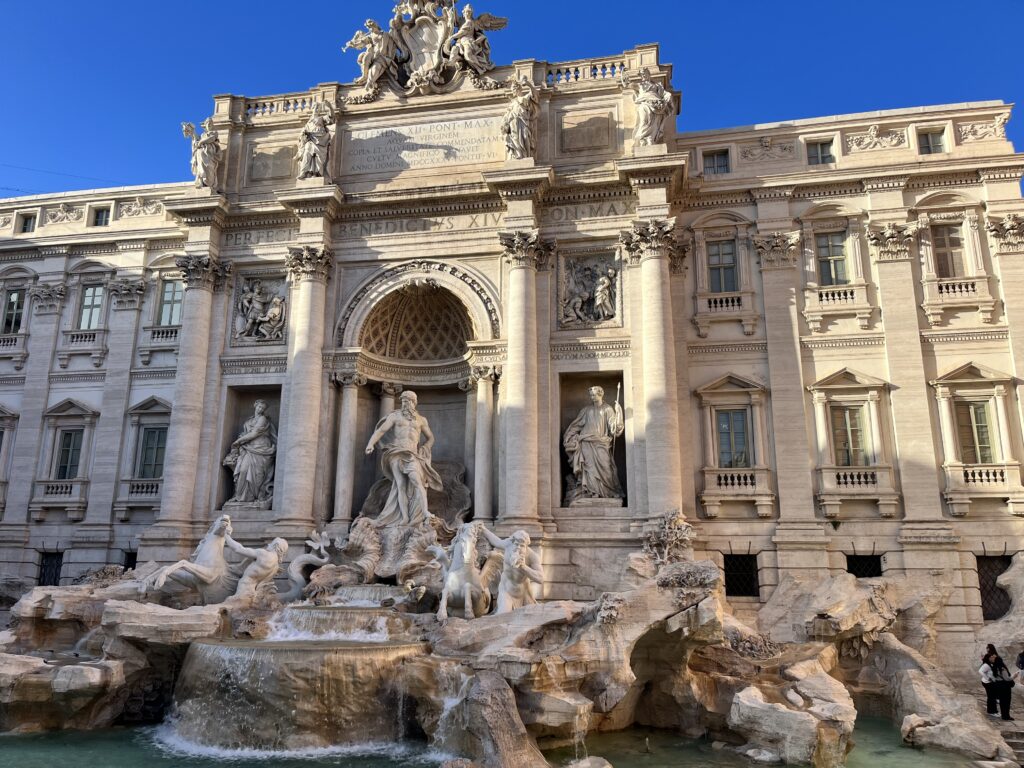
Rome is a city built on history, beauty, and open public spaces. Few places capture that spirit better than the Trevi Fountain, where millions of visitors each year toss coins, make wishes, and crowd into the small piazza at all hours of the day. Now, Rome is considering a change that’s stirring debate worldwide: a €2 entry fee to access the Trevi Fountain viewing area. Unheard of, right? When you’re used to a free attraction, it’s kind of a slap in the face when the rules change. The price of the admission isn’t the debate, but maybe it’s the principal rather…
Is this a smart way to protect one of the world’s most famous landmarks — or the start of turning Rome into a ticketed museum?
Why Rome Wants to Charge €2 for the Trevi Fountain
The Trevi Fountain attracts tens of thousands of visitors daily, far more than the surrounding space was designed to handle. City officials say overcrowding has led to:
- Damage to stonework and nearby structures
- Increased maintenance and restoration costs
- Safety and crowd-control concerns
- Disruption to daily life for local residents
The proposed €2 fee would help regulate access and generate funds for preservation, ensuring the fountain remains intact for future generations.
How the Trevi Fountain Entry Fee Would Work
While final details haven’t been confirmed, Rome’s proposal includes:
- Controlled access to the fountain’s immediate viewing area
- Limits on how long visitors can stay
- Possible free access during off-peak hours
- Exemptions for Rome residents
The surrounding streets would remain open — the goal is crowd management, not full closure.
Arguments in Favor of the €2 Fee
Supporters argue the plan is reasonable and necessary:
- €2 is a minimal cost for tourists
- Tourism should help fund conservation
- Fewer people means a better visitor experience
- Similar systems already work at major attractions worldwide
Rome spends millions maintaining its historic sites, and officials say this is a practical solution to overtourism.
Why Critics Are Pushing Back
Opponents worry the plan changes the soul of the city. The Trevi Fountain has always been a free public landmark, not a gated attraction. Critics argue the fee could:
- Set a precedent for charging at other Roman landmarks
- Turn spontaneous discovery into a scheduled experience
- Make public heritage feel commercialized
- Exclude budget travelers and locals
For many visitors, seeing the Trevi Fountain late at night — uncrowded and unticketed — is part of its magic.
Is This the Future of Travel in Europe?
Rome isn’t alone. Cities across Europe are introducing tourist taxes, access limits, and entry fees to combat overcrowding. Venice, for example, has already implemented visitor charges.
The Trevi Fountain proposal may signal a broader shift toward managed tourism — balancing preservation with accessibility.
Will Visitors Still Come?
Almost certainly. Two euros is unlikely to stop travelers from visiting one of the world’s most iconic fountains. The real question is whether Rome can protect its cultural heritage without losing the openness that makes the city feel alive. The Trevi Fountain will still inspire wishes — even if making one now costs €2.